Stop doing it by hand. Especially the parts nobody enjoys.
Most small businesses run on copy-paste between four tools and one person's memory. We map what is actually happening, then remove the steps that should never have been manual.
What business tech and automation looks like with us
Audit before automation
Slack's 2024 survey put the average small-business owner at 96 minutes a day lost to busywork, close to three working weeks a year. Automating a broken process just breaks it faster, so we start by following real work through your business end to end and finding where that time actually disappears, which is rarely where people assume.
Connect what you already pay for
Usually the answer is not new software. It is making the tools you own talk to each other, so a form fills a sheet, a sheet raises an invoice, and nobody retypes anything.
AI where it earns its place
AI is useful for drafting, summarising, classifying, and answering repeat questions. It is not a replacement for a process you have never defined, and we will tell you which of your problems is which.
The bench we build on
The tools we actually run, and the media we generate instead of shooting when a shoot would not pay for itself.
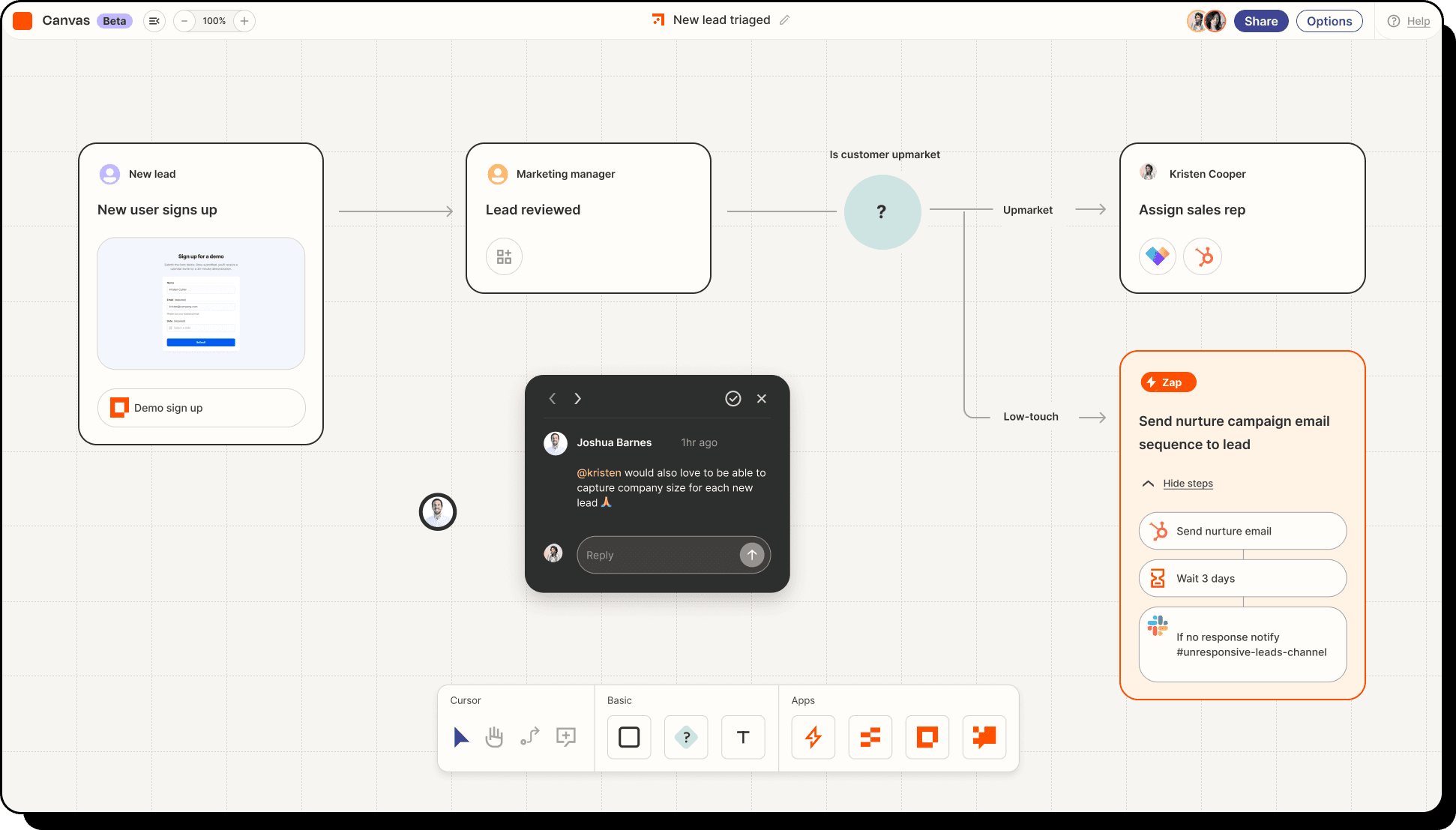
Mapping the workflow before automating it 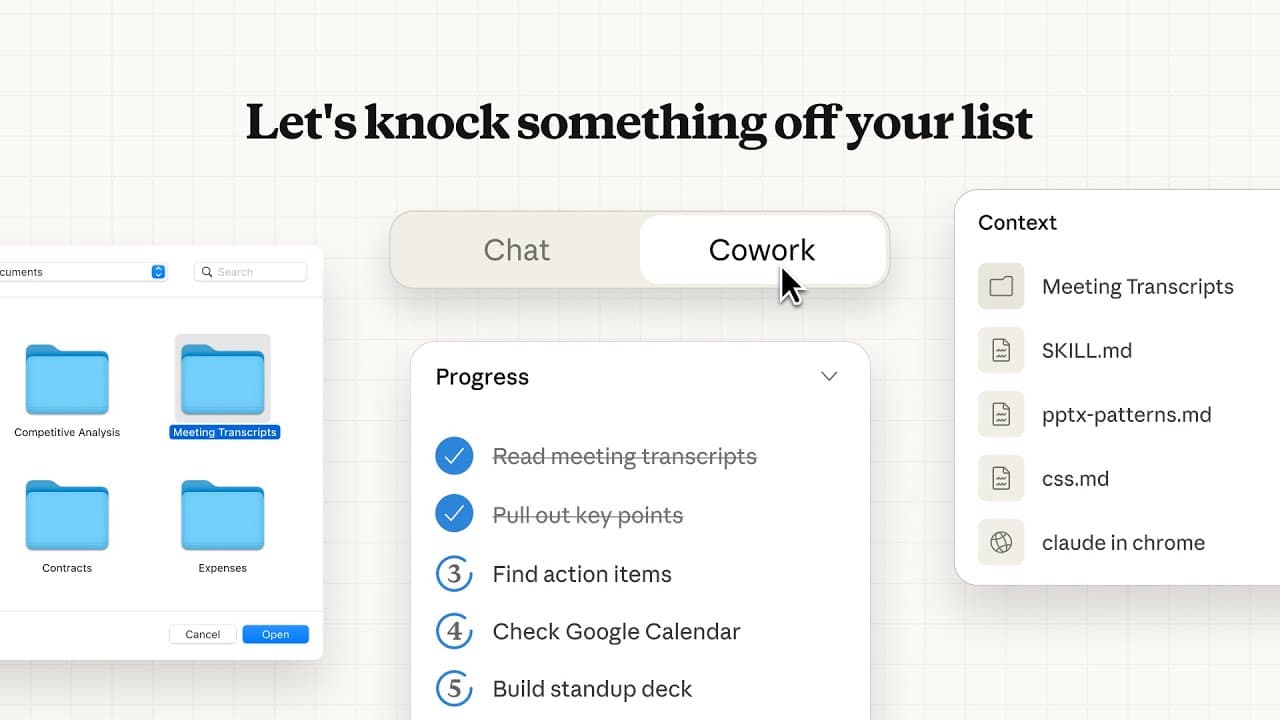
AI doing the repetitive reading 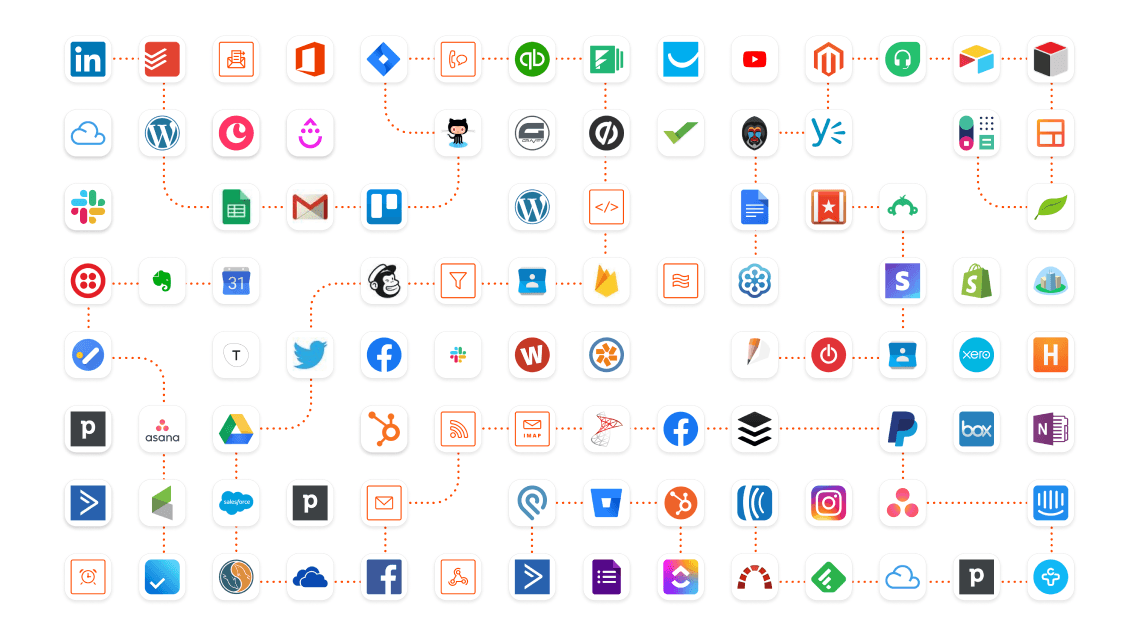
Costing the automation honestly 
A street we never flew to 
A diner we never booked 
A tiger, obviously
Innovatr · Social Sweep
Platform APIs and an AI reasoning layer, built in about two months instead of signing an annual enterprise licence.
Innovatr · Social Sweep
2026 · about two monthsBuilt the social-listening capability in-house instead of licensing it: plain-language question in, a cited report out
- capability built instead of licensed
- In-housecapability built instead of licensed · the alternative was an annual enterprise licence
- platforms reachable through one API
- 49platforms reachable through one API · 395 endpoints; it picks the subset each question needs
- a line of spend became something sellable
- Cost → producta line of spend became something sellable · the capability now earns rather than bills
The category is real. A comparable tool was acquired by a market research group a few months later, after four years and outside investment. Social Sweep took about two months and two subscriptions. That is not a claim of parity: theirs has a roadmap, a support desk and customers who are not us.
One pipeline, four tools.
Innovatr's lead engine, tool by tool, and what each one actually did. The point is not these four; it is that we pick per job.
- 01
Apollo.io
Finding the right people to talk to
Sourcing qualified contacts against an ICP: filtering by role, seniority and company, enriching what is missing, and pushing the result into a CRM. We built Innovatr's lead pipeline this way, from nothing to a working, segmented CRM.
- 02
Zoho
Following up without forgetting
Email sequencing and the CRM automations around it: what gets sent, when, and what happens when somebody replies. The unglamorous half of lead generation, and the half that usually breaks.
- 03
Claude Cowork
Orchestrating the office work
Design, data processing, dashboards, content drafting and SaaS orchestration, run against your own files and tools through MCP connections and computer use. It reads the folder so nobody has to.
- 04
Zapier
Making the tools talk
The joins between systems: a form filling a CRM, a signup starting a sequence, a lead routed by fit, content moving from draft to scheduled. Mapped on a canvas first, so we automate a process we have actually looked at.
The rest of the tools we use
We pick per job rather than per habit, and if your stack already runs on something else, we build on that instead.
Need help with business tech and automation?
Send a short note about where you are and what you are trying to reach. We will come back with what it would take.